
Location as a Character How Settings Influence Your Story
Discover how treating your story’s setting as a living character can transform your narrative. Learn how locations influence emotion, theme, pacing, and character development in fiction, film, and screenwriting.
Discover how treating your story’s setting as a living character can transform your narrative. Learn how locations influence emotion, theme, pacing, and character development in fiction, film, and screenwriting.
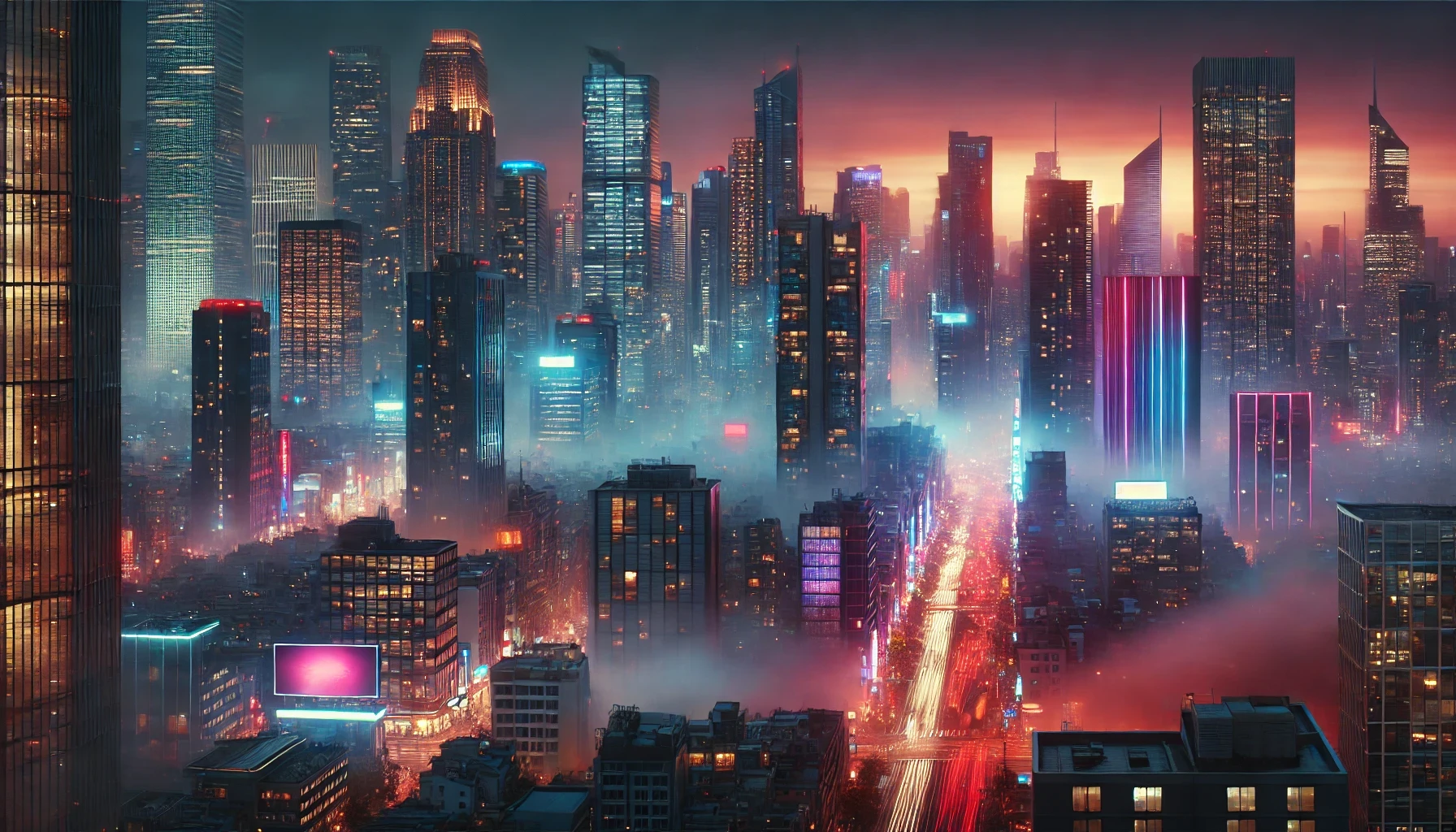
Some stories stay with us because of their heroes. Others remain unforgettable because of where they happen. From Gotham City’s dark skyline to the haunting deserts of Dune, certain settings feel alive; shaping emotion, conflict, and meaning. This is the power of using location as a character. When a place carries personality, history, and mood, it becomes more than a backdrop. It becomes a driving force in the narrative.
Writers, filmmakers, and creators are increasingly embracing this approach because it deepens immersion and strengthens thematic impact. When the setting breathes, the story breathes.
How a Setting Becomes a Character
A location turns into a character when it has traits, intentions, or emotional influence similar to a person. It holds memories, reacts to events, and interacts with protagonists in meaningful ways. Think of it as a silent storyteller that shapes every scene.
A setting gains depth when the writer treats it as something that evolves. A war-torn city can heal. A haunted house can reveal secrets. A peaceful village can transform into a battleground. The setting affects how characters feel, behave, and understand themselves.
Emotional Influence: How Settings Set the Tone
Every place carries emotional weight. A narrow alley might trigger fear. A sunlit garden may evoke nostalgia. Location influences the reader subconsciously before the characters even speak. Sensory details, like sounds, textures, weather and architecture are the emotional vocabulary of a setting.
By leaning into these details, creators anchor the audience in a specific mood. Storms can foreshadow conflict. Quiet rural landscapes can slow the narrative and give room for introspection. A claustrophobic room can heighten tension between characters. When used with intention, location controls the emotional rhythm of the story.
Shaping Character Development Through Place
Characters rarely exist independently of their environment. They evolve through the pressures, comforts, and constraints of their surroundings. A character raised in a harsh desert behaves differently from someone shaped by a chaotic metropolis.
As characters interact with their world, they reveal their strengths, insecurities, and motivations. Settings can challenge them, comfort them, or push them into transformation. A protagonist may discover courage in a dangerous forest or lose innocence in a corrupt city. The setting mirrors the inner journey.
Theme and Symbolism: When Places Speak Louder Than Words
Some settings carry symbolic power. A crumbling castle represents fading legacy. A neon-soaked city shows the loneliness beneath modern life. A ship lost at sea captures the feeling of being emotionally adrift.
Location drives theme because it reinforces ideas visually and atmospherically. Rather than explaining a concept through dialogue, writers let the environment reveal meaning. The setting becomes a metaphor (quiet but powerful) and the audience interprets it naturally.
Dynamic Worlds: How Changing Settings Push the Plot Forward
A living setting does not stay static. It evolves alongside the plot. Weather shifts. Cultures collapse. Economies boom or crash. Natural landscapes decay or bloom. These transformations can accelerate the story, create new obstacles, or mark turning points.
When the world responds to conflict, it feels more real. A rebellion might change a city’s architecture. A magical disturbance could warp an entire forest. These changes signal progression and amplify the stakes, making the audience feel the consequences of every action.
Examples of Settings as Characters
Many iconic stories rely on this technique. Gotham is not just a city: it’s Batman’s psychological mirror. Hogwarts is both a sanctuary and a labyrinth of mysteries. Arrakis shapes Paul Atreides’ destiny as much as any human mentor.
These locations interact with protagonists as actively as other characters do. They shape identity, influence decisions, and create constant narrative tension. Audiences remember these places long after the story ends.
Treating location as a character elevates storytelling. It adds emotional depth, strengthens themes, and creates a world that feels alive. When settings breathe, audiences feel fully immersed, often forming attachments to fictional places as strong as their connections to the heroes. By giving environments personality and purpose, creators build stories that echo long after the final page or scene.
Some stories stay with us because of their heroes. Others remain unforgettable because of where they happen. From Gotham City’s dark skyline to the haunting deserts of Dune, certain settings feel alive; shaping emotion, conflict, and meaning. This is the power of using location as a character. When a place carries personality, history, and mood, it becomes more than a backdrop. It becomes a driving force in the narrative.
Writers, filmmakers, and creators are increasingly embracing this approach because it deepens immersion and strengthens thematic impact. When the setting breathes, the story breathes.
How a Setting Becomes a Character
A location turns into a character when it has traits, intentions, or emotional influence similar to a person. It holds memories, reacts to events, and interacts with protagonists in meaningful ways. Think of it as a silent storyteller that shapes every scene.
A setting gains depth when the writer treats it as something that evolves. A war-torn city can heal. A haunted house can reveal secrets. A peaceful village can transform into a battleground. The setting affects how characters feel, behave, and understand themselves.
Emotional Influence: How Settings Set the Tone
Every place carries emotional weight. A narrow alley might trigger fear. A sunlit garden may evoke nostalgia. Location influences the reader subconsciously before the characters even speak. Sensory details, like sounds, textures, weather and architecture are the emotional vocabulary of a setting.
By leaning into these details, creators anchor the audience in a specific mood. Storms can foreshadow conflict. Quiet rural landscapes can slow the narrative and give room for introspection. A claustrophobic room can heighten tension between characters. When used with intention, location controls the emotional rhythm of the story.
Shaping Character Development Through Place
Characters rarely exist independently of their environment. They evolve through the pressures, comforts, and constraints of their surroundings. A character raised in a harsh desert behaves differently from someone shaped by a chaotic metropolis.
As characters interact with their world, they reveal their strengths, insecurities, and motivations. Settings can challenge them, comfort them, or push them into transformation. A protagonist may discover courage in a dangerous forest or lose innocence in a corrupt city. The setting mirrors the inner journey.
Theme and Symbolism: When Places Speak Louder Than Words
Some settings carry symbolic power. A crumbling castle represents fading legacy. A neon-soaked city shows the loneliness beneath modern life. A ship lost at sea captures the feeling of being emotionally adrift.
Location drives theme because it reinforces ideas visually and atmospherically. Rather than explaining a concept through dialogue, writers let the environment reveal meaning. The setting becomes a metaphor (quiet but powerful) and the audience interprets it naturally.
Dynamic Worlds: How Changing Settings Push the Plot Forward
A living setting does not stay static. It evolves alongside the plot. Weather shifts. Cultures collapse. Economies boom or crash. Natural landscapes decay or bloom. These transformations can accelerate the story, create new obstacles, or mark turning points.
When the world responds to conflict, it feels more real. A rebellion might change a city’s architecture. A magical disturbance could warp an entire forest. These changes signal progression and amplify the stakes, making the audience feel the consequences of every action.
Examples of Settings as Characters
Many iconic stories rely on this technique. Gotham is not just a city: it’s Batman’s psychological mirror. Hogwarts is both a sanctuary and a labyrinth of mysteries. Arrakis shapes Paul Atreides’ destiny as much as any human mentor.
These locations interact with protagonists as actively as other characters do. They shape identity, influence decisions, and create constant narrative tension. Audiences remember these places long after the story ends.
Treating location as a character elevates storytelling. It adds emotional depth, strengthens themes, and creates a world that feels alive. When settings breathe, audiences feel fully immersed, often forming attachments to fictional places as strong as their connections to the heroes. By giving environments personality and purpose, creators build stories that echo long after the final page or scene.